

About Stem Cell Therapy
Mesenchymal Stem Cells (MSCs) are adult stem cells studied for their role in immune regulation, inflammation control, and tissue support. MSCs do not replace damaged tissue. Instead, they function as biological signaling cells, releasing factors that help guide the body’s natural repair and regulatory processes.

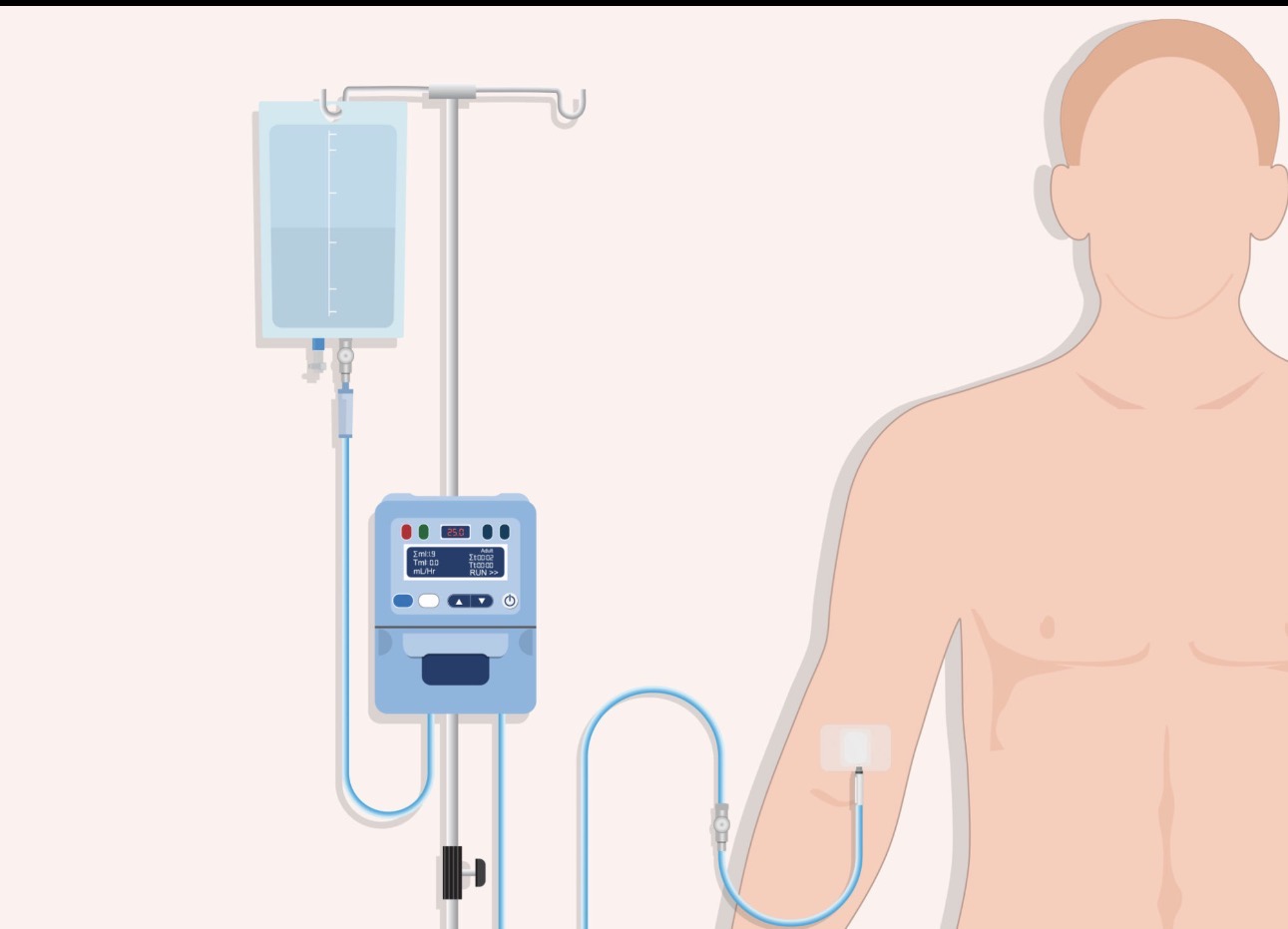
IV (Intravenous) MSC Therapy
Delivered through the bloodstream for system-wide effects.
Often considered for systemic inflammation, autoimmune or neurologic conditions, and general recovery support.
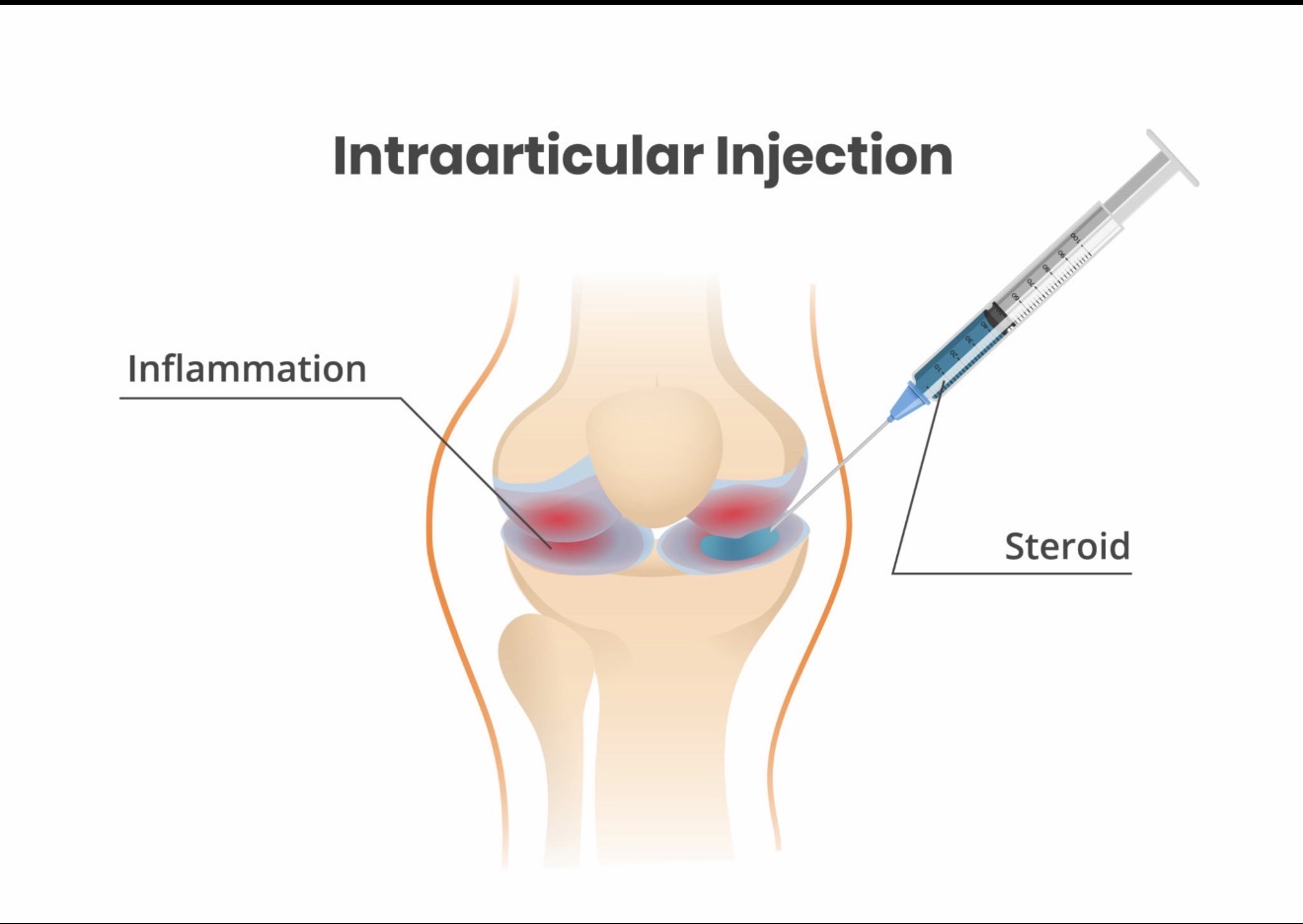
Joint or Localized Injection
Placed directly into a joint or targeted area for higher local concentration.
Often considered for osteoarthritis, joint degeneration, tendon or ligament conditions, and localized injury recovery.
Cell Quality, Safety, and Laboratory Standards
Cell source
- Derived from carefully screened placenta or umbilical tissue
- Strict donor screening protocols
- Non-vaccinated donors available upon request
Cell preparation
- Suspended in Normal Saline Solution (NSS) or Ringer’s Lactate Solution (RLS)
- Fresh passage 3 or passage 4 MSCs
- No excessive cell expansion prior to use
Safety testing
- Independent third-party laboratory analysis
- TP53 oncogene mutation screening performed
- No detected tumorigenic risk
What Patients Should Know
MSC therapy may support inflammation regulation and recovery, but outcomes vary by individual. Results are not guaranteed, and appropriate medical consultation is essential.
Care Coordination
MSC therapy is coordinated in the Bangkok area, with emphasis on medical oversight, laboratory integrity, and patient education.
Questions We Encourage
- Why does passage number matter?
- How does IV therapy differ from joint injection?
- What safety testing is performed on the cells?
- How are donors screened?
- Can therapy be repeated if appropriate?
